Radiation Therapy for Cancer: Everything You Need to Know Before Treatment

radiataion therapy

Radiation Therapy for Cancer:

The Science That Gives Patients a Second Chance

1.57MCancer cases projected in India by 202558.4%Optimal radiotherapy utilisation rate needed40%Cancer cures involve radiation therapy9.6%Annual CAGR of India’s radiotherapy market
Imagine sitting in a doctor’s office — a diagnosis just spoken aloud, heavy enough to change everything. Now imagine that a beam of precisely targeted energy, invisible to the naked eye, can reach inside your body and silently attack only the dangerous cells while leaving healthy tissue largely untouched. That is not science fiction. That is radiation therapy — and it is happening every day at hospitals across India, including right here at Shri Jagannath Charitable Cancer Hospital.

What Is Radiation Therapy? Understanding the Basics

Radiation therapy — also called radiotherapy — is a medical treatment that uses high-energy waves or particles to destroy cancer cells by damaging their DNA. When a cancer cell’s DNA is irreparably damaged, it loses the ability to reproduce and eventually dies. The body then naturally clears these dead cells over time. It is one of the oldest and most trusted forms of cancer treatment, with roots going back to the discovery of X-rays in 1895. Yet modern radiation therapy is a highly sophisticated, computer-guided procedure — worlds apart from the crude machines of the past century.

KEY STATISTIC
Clinical Fact (ScienceDirect, 2020): 40% of all cancer cures involve radiation therapy — either alone or combined with surgery and chemotherapy. Nearly 45–55% of all cancer patients require some form of radiation at different stages of their disease.

How Does Radiation Actually Work?

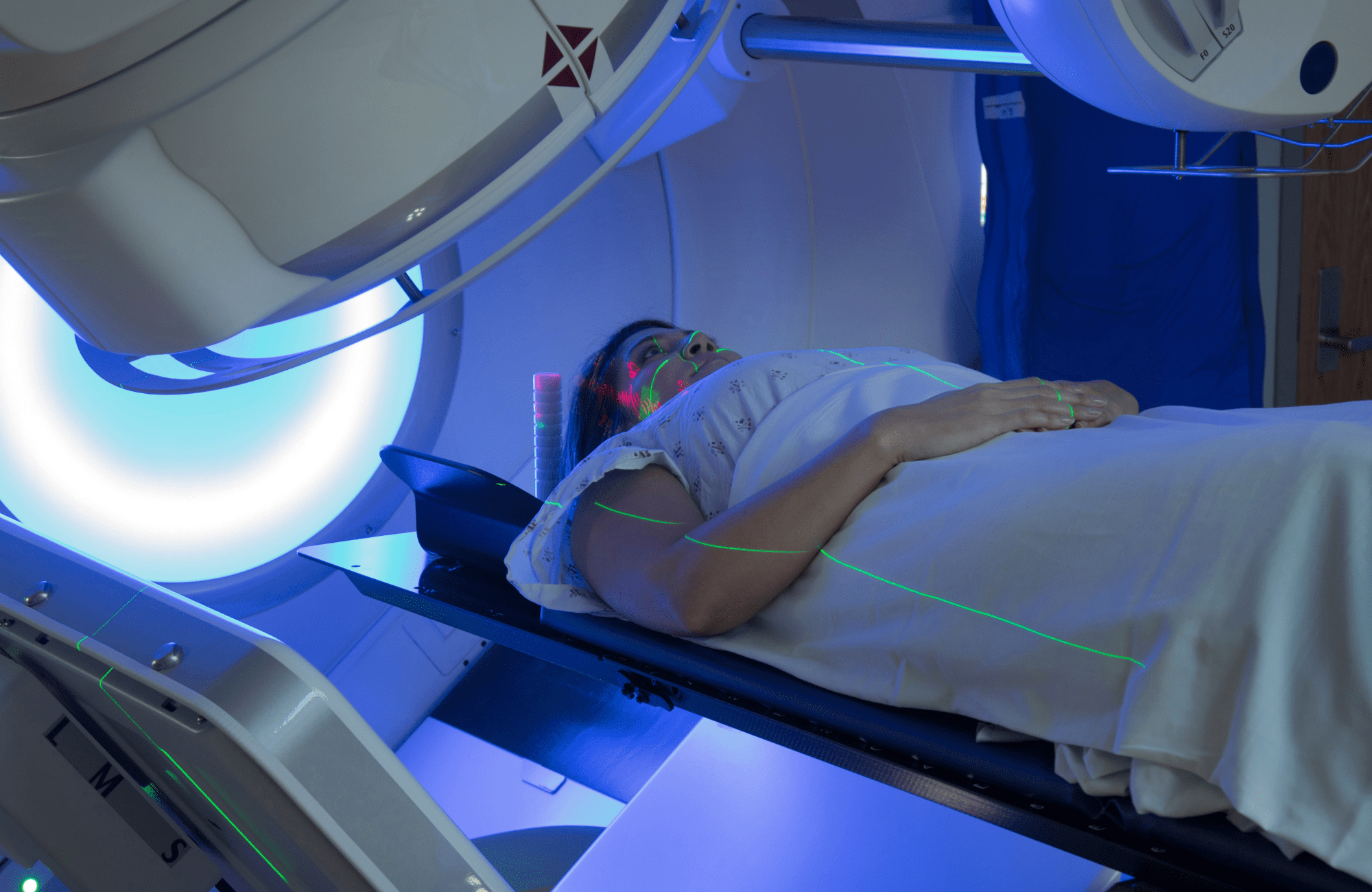
At its core, radiation therapy targets the DNA double helix inside cancer cells. High-energy radiation breaks the chemical bonds that hold DNA together. Healthy cells, which have robust repair mechanisms, can often fix this damage. Cancer cells — with compromised repair systems — cannot, and they die. This selective vulnerability is what makes radiation therapy so powerful. Modern delivery systems including Linear Accelerators (LINAC), Image-Guided Radiation Therapy (IGRT), and Intensity-Modulated Radiation Therapy (IMRT) can sculpt the radiation beam to conform precisely to the three-dimensional shape of a tumour, sparing surrounding tissue with remarkable accuracy.

 The Three Major Types of Radiation Therapy

External Beam (EBRT) Brachytherapy Proton Therapy 

 Brachytherapy: When Precision Goes Inside the Body

Of all forms of radiation therapy, brachytherapy is perhaps the most misunderstood — and yet, for certain cancers, it is among the most effective tools in an oncologist’s arsenal. The word comes from the Greek brachy, meaning ‘short distance.’ A radioactive source is placed directly inside or immediately adjacent to the tumour. Because radiation intensity decreases sharply with distance (inverse square law), the tumour receives a concentrated dose while surrounding healthy organs receive only a fraction of the exposure.

Brachytherapy has transformed outcomes for patients with cervical cancer, prostate cancer, endometrial cancer, and head-and-neck cancers. In India, where cervical cancer accounts for over 96,000 new cases every year, brachytherapy combined with external beam radiation and chemotherapy (chemoradiation) has become the recognised standard of care.

“Our clinical data and trials at tertiary care centres show that optimal chemoradiation combined with brachytherapy achieves five-year survival rates of 75% in Stage IB2–IIB cervical cancer and 55% in Stage IIIB disease.”— National Cancer Grid of India / PMC (Source)
CASE STUDY 1 — HDR BRACHYTHERAPY IN LOCALLY ADVANCED CERVICAL CANCER
Aghili et al. (2024), published in the Asian Pacific Journal of Cancer Prevention, examined 49 patients with locally advanced cervical cancer comparing short-course versus conventional brachytherapy. Complete response rates were 96.1% in the short-course group and 95.6% in the conventional group — with no significant difference in acute toxicity. This means patients can complete treatment faster without sacrificing outcomes, dramatically reducing burden on patients and hospital resources. Read study on OncoDaily →

HDR vs LDR Brachytherapy: What’s the Difference?

High-Dose-Rate (HDR) brachytherapy delivers radiation in short, intense sessions — often 10–20 minutes per fraction — allowing patients to go home the same day. Low-Dose-Rate (LDR) brachytherapy uses a continuously emitting source over hours or days, requiring hospital admission. In India, HDR brachytherapy has become the standard at most well-equipped cancer centres because of its outpatient convenience and equivalent efficacy.

 Proton Therapy: The Next Frontier of Precision Oncology

If radiation therapy is precise, proton therapy is precision redefined. While conventional radiation uses photons (X-rays) that pass through the body and deposit energy both before and after the tumour, proton particles stop almost entirely at the tumour site — a phenomenon physicists call the Bragg Peak. This means less collateral damage to surrounding healthy tissue, fewer short-term and long-term side effects, and for children, fewer radiation-induced complications later in life.

Proton Therapy vs. Traditional Radiation — Trial Data Comparison

Cancer TypeTherapy5-Year SurvivalKey Finding
OropharyngealProton (IMPT)90.9%↓ Feeding tube dependence (26.8% vs 40.2%)
OropharyngealTraditional (IMRT)81%Lower equipment cost
Prostate (Low–Intermediate)Both IMPT & IMRT93.7% / 93.4%Equivalent tumour control (PARTIQoL trial)
Paediatric CNSProtonSignificantly better↓ Cognitive side effects vs photon radiation

Source: MD Anderson Cancer Center Phase III Trial 2025 / ASTRO PARTIQoL Trial 2024. MD Anderson →  ASTRO →

CASE STUDY 2 — PROTON THERAPY FOR PAEDIATRIC MEDULLOBLASTOMA
Kahalley et al., Journal of Clinical Oncology (2020): Children treated with proton radiotherapy for medulloblastoma showed significantly superior intellectual outcomes compared to those treated with photon (conventional) radiation. For paediatric patients — where preserving cognitive development is as critical as treating the tumour — proton therapy represents a profound advance. Read on NCI →

Radiation Therapy in India: The Critical Gap — and the Opportunity

India now accounts for 7% of global cancer incidence, ranking third worldwide after China and the USA. By 2025, the country is projected to see 1.57 million new cancer cases annually — a staggering public health challenge. Yet the gap between need and access for radiation therapy remains alarmingly wide.

A comprehensive study published in BMC Cancer (2025) — the most detailed epidemiological radiotherapy analysis to date — revealed that while the optimal radiotherapy utilisation rate in India should be 58.4%, the actual rate is only 28.5%. This means roughly half of all patients who could benefit from radiation therapy are not receiving it. Read the full BMC Cancer study →

INFRASTRUCTURE REALITY
Infrastructure Reality (WHO Data)According to WHO guidelines, there should be 1 teletherapy unit per million people. India currently has only 779 units against a minimum requirement of 1,350 — a shortfall of over 571 machines. This causes long waiting periods and, in many cases, delayed or inaccessible treatment for thousands of patients. Source: The Lancet Regional Health →

India’s radiotherapy devices market, valued at USD 151.20 million in 2024, is projected to reach USD 367.71 million by 2033 at a CAGR of 9.60% — driven by rising cancer incidence, government initiatives, and adoption of advanced techniques like IMRT, IGRT, SBRT, and proton therapy. IMARC Market Report →

Why Choosing the Right Radiation Oncology Centre Matters

Radiation therapy is not a single treatment — it is a precisely calibrated, individualised plan. The same cancer in two different patients may require entirely different radiation approaches, dose levels, fractionation schedules, and combination therapies. Getting this right demands experience, cutting-edge technology, and a multidisciplinary team of radiation oncologists, medical physicists, dosimetrists, and oncology nurses.

Questions to Ask Before Starting Radiation Therapy

•       Delivery technology: Does the facility use modern IMRT, IGRT, or VMAT delivery systems?

•       Brachytherapy availability: Is image-guided brachytherapy available for gynaecological or prostate cancers?

•       Multidisciplinary team: Is there a dedicated radiation oncologist, medical physicist, and dosimetrist?

•       Tumour board review: Are treatment plans discussed and verified by a tumour board?

•       Side effect support: Is nutritional counselling and symptom management available throughout treatment?

Our Promise at Shri Jagannath Charitable Cancer HospitalAt Shri Jagannath Charitable Cancer Hospital, our commitment is that no patient is turned away due to financial constraints. We combine modern radiation oncology capabilities with the ethos of charitable care — making advanced cancer treatment accessible to underserved communities across Uttar Pradesh and beyond.

Advanced Radiation Techniques You Should Know About

Intensity-Modulated Radiation Therapy (IMRT): Varies the intensity of radiation beams across their profile, sculpting dose distributions around critical structures to maximise tumour dose and minimise organ-at-risk exposure.

Image-Guided Radiation Therapy (IGRT): Uses real-time imaging to verify the tumour’s exact position before each session, accounting for daily variations due to organ movement, breathing, or weight change.

Stereotactic Body Radiation Therapy (SBRT): Delivers very high doses in just 3–5 sessions — a game-changer for early-stage lung, liver, and spine tumours. Also known as SABR (Stereotactic Ablative Radiotherapy).

Artificial Intelligence in Radiotherapy Planning: Machine learning tools are being integrated into treatment planning systems to improve accuracy, reduce planning time, predict patient responses, and optimise dose delivery — with enormous implications for resource-limited settings.

The Bottom Line: Radiation Therapy Is Not the Enemy

For decades, the word ‘radiation’ carried a shadow of fear — shaped by cultural narratives of catastrophe, not cure. But radiation therapy, in the controlled hands of trained oncologists, is one of the most powerful, evidence-backed tools humanity has developed in the fight against cancer. From external beam radiation to precision brachytherapy, from conventional IMRT to the frontier of proton therapy — the options available today are more effective, more targeted, and more humane than they have ever been.

As institutions like Shri Jagannath Charitable Cancer Hospital continue to expand access to these technologies, fewer patients will fall through the cracks of an overextended healthcare system. If you or a loved one has received a cancer diagnosis — know this: radiation therapy may very well be part of the path forward. And that path, guided by the right team, leads toward hope.
Frequently Asked Questions (FAQ)

Q: Is radiation therapy painful?

No. The radiation therapy session itself is completely painless — similar to getting an X-ray. You cannot see, feel, or smell the radiation during treatment. Sessions typically last 10–30 minutes. Some patients experience fatigue or skin sensitivity in the treated area after several sessions, but the treatment itself causes no pain.


Q: How many radiation therapy sessions will I need?


This depends entirely on the type and stage of cancer, the treatment goal (curative or palliative), and the technique used. A conventional course may involve 25–40 daily sessions over 5–8 weeks. Stereotactic treatments like SBRT may require only 3–5 sessions. Your radiation oncologist will design a personalised plan for your specific case.


Q: What is the difference between brachytherapy and external radiation therapy?

External beam radiation delivers radiation from outside the body using a machine. Brachytherapy places a radioactive source directly inside or next to the tumour, delivering a concentrated dose from the inside with minimal exposure to surrounding tissues. Many cancers — particularly cervical, prostate, and uterine — are treated with a combination of both for maximum effectiveness.


Q: Can radiation therapy be combined with chemotherapy?

Yes. Concurrent chemoradiation is the standard of care for many cancers including locally advanced cervical cancer, head and neck cancers, and lung cancers. Chemotherapy acts as a radiosensitiser, making cancer cells more susceptible to the effects of radiation and improving outcomes compared to either treatment alone.


Q: Is proton therapy available in India and what does it cost?

Proton therapy is gradually expanding in India. India’s radiotherapy market (valued at USD 151.2M in 2024, projected to reach USD 367.7M by 2033) supports continued growth. For most patients, however, IMRT/IGRT and brachytherapy remain the most accessible and cost-effective options, with brachytherapy for cervical cancer costing USD 1,000–5,000 in India vs. USD 10,000–40,000 in the USA.

Q: What side effects should I expect from radiation therapy?

Side effects depend on the area treated. Common ones include fatigue and skin changes. Head and neck radiation may cause dry mouth or difficulty swallowing. Pelvic radiation may cause bowel or urinary changes. Modern techniques like IMRT and brachytherapy have significantly reduced these effects. Most acute side effects resolve after treatment. Your care team will provide detailed support throughout.

Home » Cancer

Ready to Talk to a Radiation Oncologist?

Schedule a Visit

What Is Precision Oncology? The Future of Cancer Treatment Beyond Chemotherapy & Immunotherapy

Precision Oncology: Future of Cancer Treatment Beyond Chemotherapy

Discover how precision oncology is transforming cancer treatment beyond chemotherapy and immunotherapy. Learn benefits, process, and real-life impact.

Precision Oncology: When One Treatment Doesn’t Fit All

Ravi always thought cancer treatment meant one thing—long hospital visits, painful chemotherapy, and uncertainty. Like many others, he believed every cancer patient followed the same path.

But when his treatment stopped working, everything changed.

After weeks of struggling with side effects and limited results from chemotherapy, his doctor suggested genetic testing. What followed was a completely personalized approach that gave him new hope.

Ravi’s journey reflects a powerful shift in modern medicine—precision oncology, where cancer treatment is tailored to the individual, not just the disease.


What Is Precision Oncology? 

Precision oncology is an advanced cancer treatment approach that uses genetic testing to create personalized therapies. Unlike traditional chemotherapy, it targets specific cancer mutations and is often combined with immunotherapy for better outcomes.


What Is Precision Oncology in Modern Cancer Treatment?

Precision oncology, also known as precision medicine in cancer, is transforming how doctors approach cancer treatment.

Instead of using generalized methods like chemotherapy, doctors analyze a patient’s genetic profile and tumor biology. This enables targeted cancer therapy—a method designed to attack cancer cells precisely while minimizing damage to healthy cells.

In simple terms, it shifts from a “one-size-fits-all” model to a highly customized strategy.


How Precision Oncology Actually Works

While it sounds advanced, the process is structured and practical:

Step 1: Genetic Testing

Doctors study the tumor’s DNA to identify mutations responsible for cancer growth.

Step 2: Finding the Right Target

Once mutations are identified, doctors match them with therapies designed specifically for those genetic changes.

Step 3: Personalized Treatment Plan

Instead of relying only on chemotherapy, doctors may recommend:

  • Targeted therapy
  • Advanced immunotherapy
  • A combination approach for more effective cancer treatment

Step 4: Continuous Monitoring

Doctors regularly track progress and adjust the cancer treatment plan to improve results.

Precision Oncology vs Chemotherapy: What’s the Real Difference?

For decades, chemotherapy has been the backbone of cancer treatment. However, it often affects both healthy and cancerous cells.

Chemotherapy:

  • Attacks fast-growing cells (both healthy and cancerous)
  • Causes side effects like fatigue, nausea, and hair loss
  • Works broadly rather than precisely

Precision Oncology:

  • Focuses on cancer-specific mutations
  • Reduces harm to healthy cells
  • Improves outcomes in modern cancer treatment

How Immunotherapy Enhances Modern Cancer Treatment

Another breakthrough in cancer treatment is immunotherapy.

Unlike chemotherapy, which directly kills cancer cells, immunotherapy empowers the immune system to recognize and destroy them.

Today, precision oncology often combines:

  • Chemotherapy for immediate control
  • Immunotherapy for long-term defense
  • Targeted therapy for precision

Real-Life Case Study: A Turning Point

A 45-year-old woman diagnosed with lung cancer initially underwent chemotherapy.

However, her tumor barely responded, and the physical toll of chemotherapy started affecting her energy, confidence, and everyday life.

Her doctors then recommended genetic testing.

They discovered an EGFR mutation and shifted her cancer treatment to targeted therapy combined with immunotherapy.

The Outcome:

  • Tumor size reduced significantly within months
  • Side effects became more manageable
  • Her quality of life improved dramatically

For patients, this isn’t just advanced science—it’s often a second chance at life.


Why Precision Oncology Is Gaining So Much Attention

Precision oncology is rapidly becoming a preferred approach in modern cancer treatment.

1. Better Results

Treatments are personalized, increasing effectiveness.

2. Fewer Side Effects

Unlike chemotherapy, targeted approaches reduce damage to healthy cells.

3. Faster Recovery

Patients often tolerate treatment better and recover quicker.

4. Improved Quality of Life

Less physical and emotional stress improves daily living. 


What Do the Numbers Say?

Precision oncology is backed by strong data:

  • Around30% of cancer treatment approaches now involve personalized medicine
  • Targeted therapies continue to improve survival rates
  • The field is expanding rapidly with new innovations

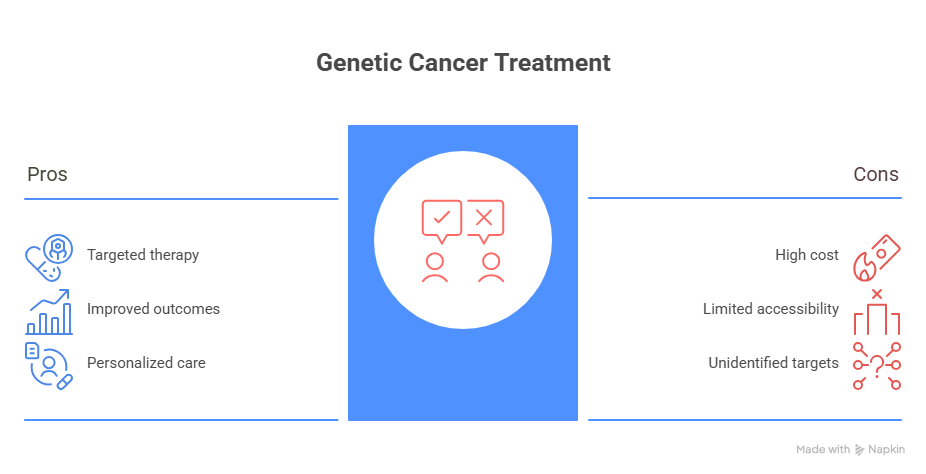
Challenges of Precision Oncology

Despite its advantages, there are still limitations:

Cost

Advanced testing and treatments can be expensive.

Accessibility

Not all hospitals offer genetic-based cancer treatment.

Limited Application

Some cancers still lack identifiable genetic targets.


The Future of Cancer Treatment

The future of cancer treatment is clearly moving toward personalization.

With advancements in AI and medical research:

  • Diagnoses will become faster
  • Treatments will become more precise
  • Costs are expected to decrease over time

Experts believe combining chemotherapy, immunotherapy, and targeted therapies will soon become the global standard.


Conclusion

Precision oncology is not just changing cancer treatment—it’s redefining how patients experience hope, recovery, and survival.

It goes beyond traditional chemotherapy and integrates advanced methods like immunotherapy and genetic-based therapies to deliver personalized care.

For patients like Ravi, this approach offers something powerful—a treatment designed specifically for them.

If you or someone close is exploring treatment options, understanding modern approaches like immunotherapy and targeted therapy could be the turning point.


FAQs


Home » Cancer
1. What is precision oncology in simple terms?

Precision oncology is a personalized cancer treatment approach that uses genetic testing to tailor therapies based on an individual’s cancer type.

2. Is chemotherapy still used in precision oncology?

Yes, chemotherapy is often combined with targeted therapy and immunotherapy for more effective cancer treatment.

3. How is immunotherapy different from chemotherapy?

Immunotherapy boosts the immune system to fight cancer, while chemotherapy directly kills cancer cells.

4. Is precision oncology available in India?

Yes, it is available in advanced hospitals, though access may vary by location.

5. Who benefits the most from this treatment?

Patients with specific genetic mutations benefit the most from personalized cancer treatment.

Role Of Physical Activity In Cancer Care?

The treating oncologists and caregivers of a patient diagnosed with cancer are understandably immersed in providing onco-directed care as a priority. However, a holistic approach warrants that we do not ignore fatigue, depression, anxiety, lymphedema, sleep problems and subsequent reduced quality of life, often experienced by these patients during the course of treatment. Various treatment modalities for cancer can have a negative impact on cardiovascular, endocrine gastrointestinal, immune, nervous and respiratory systems, at times persisting beyond completion of treatment.

(more…)

Foods That Impact Cancer Risk: Key Items to Avoid and Include for a Healthier Diet

A well-balanced diet significantly influences overall health and cancer risk. Research shows that certain dietary patterns can either increase or decrease the likelihood of developing cancer. While no single food guarantees prevention or causes cancer, long-term consumption of specific nutrients or foods can have a profound impact. This article examines the dual role of diet in cancer risk, identifying foods that may elevate the risk and those that offer protective benefits.

(more…)

Blood Cancers: Early Signs, Symptoms, Institute

Medical Futurist is one of the best online resources for learning about technology in the medical sphere. There’s skepticism in each post from medical doctor and geneticist Mesko, a blog covering new technologies targeted toward numerous specialties.

If you run an internet search for medical blogs, you’ll come across hundreds of results. And figuring out which sources are reputable can take a lot of time. To help ease the process, we compiled this list of 55 of our favorite medical blogs everyone in the field can learn from Whether you’re, you’ve been a physician for years, or you simply want to know how to make considering medical school well-informed decisions about your own health, there’s something on this list for everyone. Keep this list of medical blogs handy and the answers to your medical queries will always be just a few clicks away.

Liver Cancer: Decoding the Symptoms, High risk, and Types of Liver cancer

Getting diagnosed with liver cancer can be a profoundly emotional and overwhelming experience for both patients and their loved ones. That said, if diagnosed at an early stage, liver cancer can be managed and treated. That’s why it is important to understand the symptoms, causes, and treatment options for liver cancer, so that suitable remedial measures can be taken while there is time. To help, in this article, we delve into the early warning signs of liver cancer, its risk factors, and the latest advancements in treatment options. But first, let’s cover some basics.

(more…)

Advancements in Medical Oncology: New Hope for Cancer Patients

Cancer is a complex disease that requires a comprehensive and multidisciplinary approach to treatment. Medical oncology is an integral part of this approach, providing a range of treatment options that target cancer cells while minimizing damage to healthy tissues.

In this article, let us explore the various components of medical oncology and its role in a multidisciplinary cancer treatment plan.

(more…)

Understanding the Different Stages Of Cancer

Cancer is one of the deadliest diseases on the planet. It is notorious for how commonly it occurs and how deadly it can be in various stages. If it is in one of the earlier stages, it can be easier to treat – irrespective of whether it is treatment for liver cancer or breast cancer. It is important to identify and try removing the tumour as soon as possible..

Even in today’s world where modern medicine has advanced rapidly, cancer is still a much-feared disease. It can be very difficult to deal with if it is located in certain delicate organs or has progressed to later stages. Cancer is generally defined as an overgrowth of the cancerous or rapid growth of abnormal cells. This mass of cells is called a tumour.

(more…)