
Precision Oncology: Future of Cancer Treatment Beyond Chemotherapy
Discover how precision oncology is transforming cancer treatment beyond chemotherapy and immunotherapy. Learn benefits, process, and real-life impact.
Precision Oncology: When One Treatment Doesn’t Fit All
Ravi always thought cancer treatment meant one thing—long hospital visits, painful chemotherapy, and uncertainty. Like many others, he believed every cancer patient followed the same path.
But when his treatment stopped working, everything changed.
After weeks of struggling with side effects and limited results from chemotherapy, his doctor suggested genetic testing. What followed was a completely personalized approach that gave him new hope.
Ravi’s journey reflects a powerful shift in modern medicine—precision oncology, where cancer treatment is tailored to the individual, not just the disease.
What Is Precision Oncology?
Precision oncology is an advanced cancer treatment approach that uses genetic testing to create personalized therapies. Unlike traditional chemotherapy, it targets specific cancer mutations and is often combined with immunotherapy for better outcomes.
What Is Precision Oncology in Modern Cancer Treatment?
Precision oncology, also known as precision medicine in cancer, is transforming how doctors approach cancer treatment.
Instead of using generalized methods like chemotherapy, doctors analyze a patient’s genetic profile and tumor biology. This enables targeted cancer therapy—a method designed to attack cancer cells precisely while minimizing damage to healthy cells.
In simple terms, it shifts from a “one-size-fits-all” model to a highly customized strategy.
How Precision Oncology Actually Works
While it sounds advanced, the process is structured and practical:
Step 1: Genetic Testing
Doctors study the tumor’s DNA to identify mutations responsible for cancer growth.
Step 2: Finding the Right Target
Once mutations are identified, doctors match them with therapies designed specifically for those genetic changes.
Step 3: Personalized Treatment Plan
Instead of relying only on chemotherapy, doctors may recommend:
- Targeted therapy
- Advanced immunotherapy
- A combination approach for more effective cancer treatment
Step 4: Continuous Monitoring
Doctors regularly track progress and adjust the cancer treatment plan to improve results.
Precision Oncology vs Chemotherapy: What’s the Real Difference?
For decades, chemotherapy has been the backbone of cancer treatment. However, it often affects both healthy and cancerous cells.
Chemotherapy:
- Attacks fast-growing cells (both healthy and cancerous)
- Causes side effects like fatigue, nausea, and hair loss
- Works broadly rather than precisely
Precision Oncology:
- Focuses on cancer-specific mutations
- Reduces harm to healthy cells
- Improves outcomes in modern cancer treatment
How Immunotherapy Enhances Modern Cancer Treatment
Another breakthrough in cancer treatment is immunotherapy.
Unlike chemotherapy, which directly kills cancer cells, immunotherapy empowers the immune system to recognize and destroy them.
Today, precision oncology often combines:
- Chemotherapy for immediate control
- Immunotherapy for long-term defense
- Targeted therapy for precision
Real-Life Case Study: A Turning Point
A 45-year-old woman diagnosed with lung cancer initially underwent chemotherapy.
However, her tumor barely responded, and the physical toll of chemotherapy started affecting her energy, confidence, and everyday life.
Her doctors then recommended genetic testing.
They discovered an EGFR mutation and shifted her cancer treatment to targeted therapy combined with immunotherapy.
The Outcome:
- Tumor size reduced significantly within months
- Side effects became more manageable
- Her quality of life improved dramatically
For patients, this isn’t just advanced science—it’s often a second chance at life.
Why Precision Oncology Is Gaining So Much Attention
Precision oncology is rapidly becoming a preferred approach in modern cancer treatment.
1. Better Results
Treatments are personalized, increasing effectiveness.
2. Fewer Side Effects
Unlike chemotherapy, targeted approaches reduce damage to healthy cells.
3. Faster Recovery
Patients often tolerate treatment better and recover quicker.
4. Improved Quality of Life
Less physical and emotional stress improves daily living.
What Do the Numbers Say?
Precision oncology is backed by strong data:
- Around30% of cancer treatment approaches now involve personalized medicine
- Targeted therapies continue to improve survival rates
- The field is expanding rapidly with new innovations
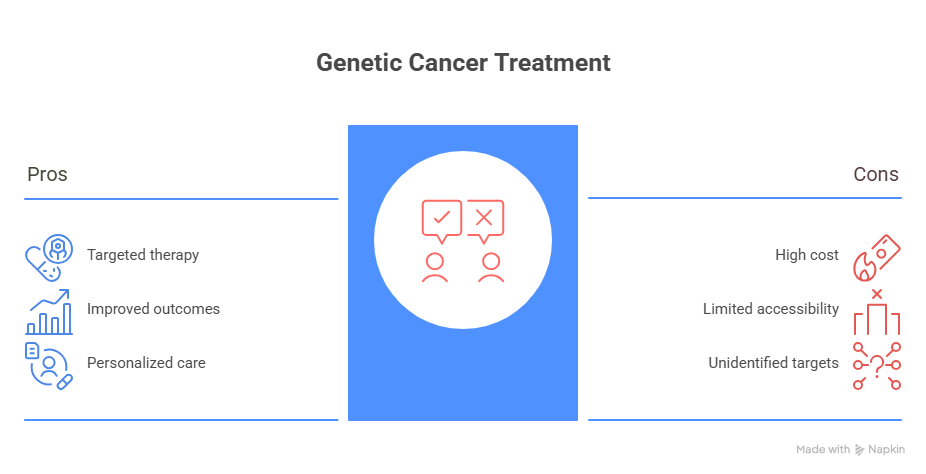
Challenges of Precision Oncology
Despite its advantages, there are still limitations:
Cost
Advanced testing and treatments can be expensive.
Accessibility
Not all hospitals offer genetic-based cancer treatment.
Limited Application
Some cancers still lack identifiable genetic targets.
The Future of Cancer Treatment
The future of cancer treatment is clearly moving toward personalization.
With advancements in AI and medical research:
- Diagnoses will become faster
- Treatments will become more precise
- Costs are expected to decrease over time
Experts believe combining chemotherapy, immunotherapy, and targeted therapies will soon become the global standard.
Conclusion
Precision oncology is not just changing cancer treatment—it’s redefining how patients experience hope, recovery, and survival.
It goes beyond traditional chemotherapy and integrates advanced methods like immunotherapy and genetic-based therapies to deliver personalized care.
For patients like Ravi, this approach offers something powerful—a treatment designed specifically for them.
If you or someone close is exploring treatment options, understanding modern approaches like immunotherapy and targeted therapy could be the turning point.
FAQs
Precision oncology is a personalized cancer treatment approach that uses genetic testing to tailor therapies based on an individual’s cancer type.
Yes, chemotherapy is often combined with targeted therapy and immunotherapy for more effective cancer treatment.
Immunotherapy boosts the immune system to fight cancer, while chemotherapy directly kills cancer cells.
Yes, it is available in advanced hospitals, though access may vary by location.
Patients with specific genetic mutations benefit the most from personalized cancer treatment.